AI-Enabled Point-of-Care Liver Assessment: The Future of Hepatology Practice
อัพเดทล่าสุด: 19 พ.ค. 2026
149 ผู้เข้าชม

ในยุคที่โรคตับจาก metabolic dysfunction และ fatty liver disease เพิ่มขึ้นอย่างรวดเร็วทั่วโลก การตรวจประเมินตับแบบ “เร็ว แม่นยำ และเข้าถึงง่าย” กำลังกลายเป็นหัวใจสำคัญของเวชปฏิบัติยุคใหม่ โดยเฉพาะในกลุ่ม Hepatology, Wellness Medicine, Preventive Medicine และ GLP-1 clinics
เทคโนโลยีใหม่อย่าง AI-POC-TE (Artificial Intelligence–Enabled Point-of-Care Transient Elastography) กำลังถูกจับตามองในวงการ hepatology ว่าอาจเป็น next-generation platform ที่ต่อยอดจาก conventional transient elastography แบบเดิม ด้วยการผสาน AI, B-mode imaging guidance และ wireless point-of-care workflow เข้าไว้ด้วยกันในระบบเดียว
ปัญหาสำคัญคือ ผู้ป่วยจำนวนมากไม่มีอาการในระยะแรก และมักถูกวินิจฉัยเมื่อเกิด fibrosis หรือ cirrhosis ไปแล้ว
แนวโน้ม guideline ระดับนานาชาติจึงเริ่มเน้น
แต่ระบบ conventional มีข้อจำกัดสำคัญ เช่น
จุดนี้สำคัญต่อ clinical confidence และลด sampling error
เหมาะสำหรับ
ผลการศึกษาพบว่า
Fibrosis Assessment
AI-POC-TE ให้ค่า AUROC สูงในการประเมิน fibrosis
Steatosis Assessment
ค่า MAP (Multi-domain Attenuation Parameter) ซึ่งเป็นเทคโนโลยีใหม่สำหรับ fat quantification ให้ผล
AI-POC-TE สามารถให้ผลที่แม่นยำได้แม้ใช้เพียง 4 measurements แทน conventional 10 measurements
ช่วยลดเวลาในการตรวจ และเพิ่ม efficiency ใน clinical workflow
AI-enabled liver assessment platforms จึงไม่ได้เป็นเพียง imaging device แต่กำลังกลายเป็นส่วนหนึ่งของ preventive healthcare ecosystem
และอาจเป็นอีกก้าวสำคัญของ hepatology ในยุค precision medicine
เทคโนโลยีใหม่อย่าง AI-POC-TE (Artificial Intelligence–Enabled Point-of-Care Transient Elastography) กำลังถูกจับตามองในวงการ hepatology ว่าอาจเป็น next-generation platform ที่ต่อยอดจาก conventional transient elastography แบบเดิม ด้วยการผสาน AI, B-mode imaging guidance และ wireless point-of-care workflow เข้าไว้ด้วยกันในระบบเดียว
ทำไม Point-of-Care Liver Assessment จึงสำคัญขึ้นเรื่อย ๆ
ปัจจุบัน MASLD (Metabolic dysfunction-associated steatotic liver disease) กลายเป็น chronic liver disease ที่พบบ่อยที่สุดทั่วโลก และสัมพันธ์โดยตรงกับ obesity, insulin resistance, diabetes และ cardiovascular riskปัญหาสำคัญคือ ผู้ป่วยจำนวนมากไม่มีอาการในระยะแรก และมักถูกวินิจฉัยเมื่อเกิด fibrosis หรือ cirrhosis ไปแล้ว
แนวโน้ม guideline ระดับนานาชาติจึงเริ่มเน้น
- Early detection
- Risk stratification
- Non-invasive liver assessment
- Longitudinal monitoring
จาก Conventional TE สู่ AI-POC-TE
Transient Elastography (TE) ได้รับการยอมรับมายาวนานในฐานะมาตรฐาน non-invasive assessment สำหรับ liver fibrosis และ steatosisแต่ระบบ conventional มีข้อจำกัดสำคัญ เช่น
- เครื่องขนาดใหญ่
- workflow ไม่คล่องตัว
- lack of real-time imaging guidance
- limited AI integration
- attenuation analysis แบบ single-line sampling
1. Real-Time B-Mode Imaging Guidance
ระบบสามารถเห็น liver parenchyma แบบ real-time ระหว่างตรวจ ช่วยหลีกเลี่ยง vessel หรือตำแหน่งที่ไม่เหมาะสมจุดนี้สำคัญต่อ clinical confidence และลด sampling error
2. AI-Based Signal Processing
AI deep learning algorithms ถูกนำมาใช้ในการ- elastogram quality control
- wave trajectory detection
- liver tissue segmentation
- automated measurement optimization
3. Portable Point-of-Care Workflow
ระบบถูกออกแบบให้ใช้งานแบบ wireless portable platformเหมาะสำหรับ
- outpatient clinic
- wellness center
- preventive screening
- executive check-up
- bedside assessment
- mobile screening service
Clinical Evidence จาก Liver International 2026
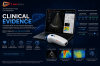
งานวิจัยล่าสุดที่ตีพิมพ์ใน Liver International ปี 2026 ศึกษาผู้ป่วยกว่า 1,455 ราย และ biopsy cohort 138 ราย เพื่อประเมินความแม่นยำของ AI-POC-TE เทียบกับ conventional TE และ histologyผลการศึกษาพบว่า
Fibrosis Assessment
AI-POC-TE ให้ค่า AUROC สูงในการประเมิน fibrosis
- ≥F2 : 0.79
- ≥F3 : 0.79
- F4 : 0.97
Steatosis Assessment
ค่า MAP (Multi-domain Attenuation Parameter) ซึ่งเป็นเทคโนโลยีใหม่สำหรับ fat quantification ให้ผล
- ≥S1 : AUROC 0.92
- ≥S2 : 0.70
- S3 : 0.76
Workflow Optimization
หนึ่งใน findings ที่น่าสนใจคือAI-POC-TE สามารถให้ผลที่แม่นยำได้แม้ใช้เพียง 4 measurements แทน conventional 10 measurements
ช่วยลดเวลาในการตรวจ และเพิ่ม efficiency ใน clinical workflow
Implication ต่อคลินิกและโรงพยาบาล
การเปลี่ยนผ่านจาก traditional liver assessment ไปสู่ AI-enabled point-of-care platform อาจสร้าง impact หลายด้านHepatology Clinics
- Early fibrosis detection
- Longitudinal follow-up
- Better patient stratification
Wellness / Longevity Clinics
- Metabolic health assessment
- GLP-1 patient monitoring
- Preventive screening programs
Executive Check-up Centers
- Add-on premium liver assessment
- Non-invasive liver risk profiling
Research & Clinical Trials
- Fatty liver intervention studies
- Nutraceutical research
- GLP-1 outcome monitoring
Liver Health กำลังกลายเป็น New Vital Sign
ในอนาคต การประเมิน liver fat และ fibrosis อาจกลายเป็น routine metabolic assessment เช่นเดียวกับ blood pressure หรือ HbA1cAI-enabled liver assessment platforms จึงไม่ได้เป็นเพียง imaging device แต่กำลังกลายเป็นส่วนหนึ่งของ preventive healthcare ecosystem
และอาจเป็นอีกก้าวสำคัญของ hepatology ในยุค precision medicine
Tags :
บทความที่เกี่ยวข้อง
ในช่วงไม่กี่ปีที่ผ่านมา“MASLD” หรือ Metabolic Dysfunction-Associated Steatotic Liver Disease
ได้กลายเป็นหนึ่งในประเด็นสำคัญที่สุดของวงการ hepat ology และ metabolic medicine
19 พ.ค. 2026
โรคตับกำลังกลายเป็น “silent epidemic” ของคนยุคใหม่โดยเฉพาะในกลุ่มคนที่มีน้ำหนักเกิน เบาหวาน ไขมันสูงหรือผู้ที่ใช้ยาGLP-1 /weight loss programเพราะหลายคนมีภาวะไขมันพอกตับ (Fatty Liver)โดยไม่รู้ตัว
19 พ.ค. 2026
